
Comprehensive Veterinary Services
Comprehensive Veterinary Services
Senior Pet Care in Greater Cincinnati and Northern Kentucky
Compassionate Care for Aging Dogs and Cats at Noah’s Ark Animal Clinics
The gray muzzle. The slower climb up the stairs. The longer naps in the afternoon sun. Watching a pet grow older is one of the quiet privileges of sharing your life with an animal, and it comes with a new set of responsibilities.
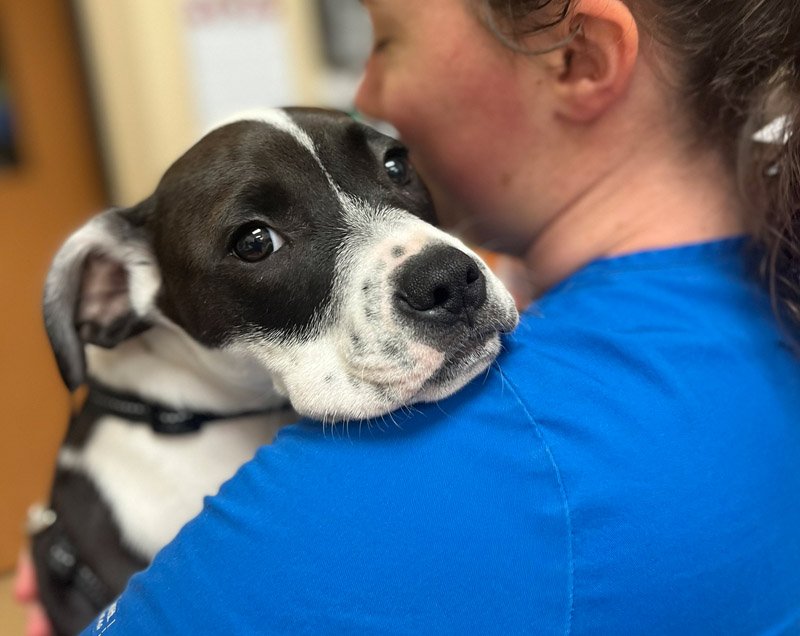
Senior pets need even more love and attention. Because pets age far more quickly than people do, medical problems can develop and progress much faster as well. The good news is that when an issue is caught early, the outlook is almost always better, and there are often more options for keeping your pet comfortable.
At Noah’s Ark Animal Clinics, our knowledgeable team is here to help our aging pets enjoy their golden years to the fullest. With five locations across Greater Cincinnati and Northern Kentucky and more than a century of family veterinary roots in this community, we bring the same philosophy to senior care that has guided our practice for generations. We treat your pet just like our own.
Why Senior Pets Need More Frequent Exams
For most adult pets, an annual exam is appropriate. For seniors, we typically recommend a comprehensive exam every six months.
That may sound like a lot, but consider the math. Six months in a senior dog’s life can represent three or four years of biological change. A great deal can happen in that window, and much of it happens quietly. Pets are remarkably good at masking discomfort, and many owners assume that slowing down is simply part of aging when it could be a treatable condition like arthritis, dental pain, or thyroid disease.
Twice yearly visits give us the chance to track changes over time, compare bloodwork against your pet’s own baseline, rather than a general population average, and catch a rising concern early to be able to intervene while there are still good options available.
Signs Worth Mentioning at Your Next Visit
You know your pet better than anyone. The changes you notice at home are often the most useful information we get. Let us know if you have observed:
- Difficulty getting up, climbing stairs, or jumping onto furniture
- Increased thirst or urination
- Changes in appetite or unexplained weight loss or gain
- New lumps, bumps, or growths
- Bad breath or reluctance to chew
- Confusion, pacing, or restlessness
- Accidents in the house from a previously reliable pet
- Withdrawal from family activity, new irritability, or other significant behavior changes
- Changes in breathing or a persistent cough
- Sleeping noticeably more than usual
It’s easy to assume these changes are just part of getting older, but they’re worth a closer look. Each one has potential medical explanations worth investigating, that we can help with.