
Comprehensive Veterinary Services
Comprehensive Veterinary Services
Pet Dermatology in Greater Cincinnati and Northern Kentucky
Skin and Allergy Care for Dogs and Cats at Noah’s Ark Animal Clinics
Few things wear a family down quite like a pet who cannot stop scratching. The licking at 2 a.m. The chewed paws. The ear infection that clears up and then comes right back six weeks later. Skin problems are among the most common reasons pets visit the veterinarian, and among the most frustrating to resolve without a clear plan.
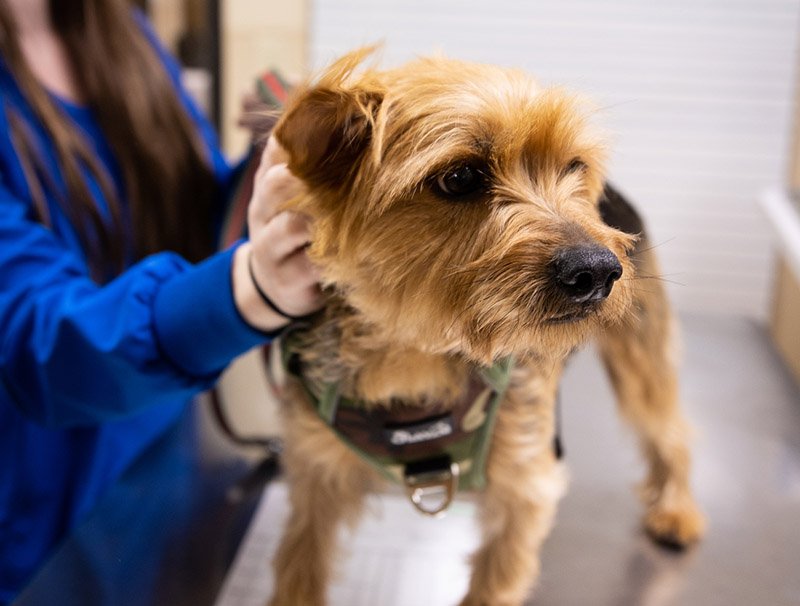
It is very common for dogs and cats to experience a wide range of skin conditions, including allergies, reactions to flea bites and other external parasites, infections, chronic ear infections, skin cancers, skin diseases, and hair loss. At Noah’s Ark Animal Clinics, we work closely with our clients to identify the cause of the problem, determine the most effective treatment or therapy, and stay with you through follow up care.
With five locations across Greater Cincinnati and Northern Kentucky and more than 100 years of family veterinary roots in this community, we bring the same philosophy to dermatology that guides everything else we do. We treat your pet just like our own, and we strive to partner with you to find the underlying cause of your pet’s symptoms.
Common Causes of Skin Conditions
Environmental Allergies
Pollen, grasses, molds, and dust mites affect pets much as they affect people, though dogs and cats tend to show it through their skin rather than their sinuses. In our region, seasonal patterns are common, with many pets flaring in spring and fall. Over time, seasonal allergies frequently become year round and may worsen as your pet gets older.
Food Allergies and Sensitivities
A smaller but meaningful percentage of skin cases trace back to an ingredient in the diet, most often a protein. Food related allergies typically show up as year round itching, often concentrated around the face, ears, paws, and hindquarters, and sometimes accompanied by digestive symptoms.
Fleas and External Parasites
Flea allergy dermatitis is one of the most common skin conditions we see. A single bite can trigger days of intense itching in a sensitized pet, which means an owner may never actually spot a flea. Mites, including those responsible for mange, and other external parasites cause their own distinct patterns of irritation. We recommend using flea prevention year round to help keep your pet protected against fleas, mites, and ticks.
Bacterial and Yeast Infections
Skin infections frequently develop on top of an existing problem. Once the skin barrier is compromised by scratching or moisture, bacteria and yeast take advantage. These infections need to be treated directly, but if the underlying cause is not addressed, they tend to return.
Ear Disease
The ear canal is skin, and chronic ear infections are very often a dermatologic problem rather than an isolated ear problem. Pets with recurring ear trouble frequently have an allergy driving it.
Endocrine and Systemic Disease
Hormonal conditions such as hypothyroidism and Cushing’s disease can contribute to hair loss, recurrent infections, and coat changes. When the skin picture does not fit a simple allergy, bloodwork may be recommended to help point us in the right direction.
Skin Cancers and Growths
Not every lump is cause for alarm, but new or changing growths deserve evaluation. We can sample and assess masses to determine what they are and whether removal is warranted.
Treatment and Ongoing Management
Treatment depends entirely on the diagnosis, and most plans involve more than one component. Depending on what we find, your pet’s plan may include:
- Prescription medications to control itching and inflammation
- Antibiotics or antifungal therapy for secondary infections
- Medicated shampoos, sprays, mousses, or wipes
- Ear cleaners and medicated ear treatments
- Year round flea and parasite prevention
- Prescription or therapeutic diets
- Omega fatty acid supplementation to support skin barrier health
- Allergy specific therapy for pets with confirmed environmental allergies
Some skin problems resolve completely. A flea allergy, a one time infection, or a contact reaction can often be cleared and left behind. Others, particularly environmental allergies, are managed rather than cured. The goal in those cases is a pet who is comfortable, sleeping through the night, and free of recurring infections, using the lowest level of intervention that keeps them there.
Our complete in house and online pharmacy makes it simple to stay on top of refills, whether you prefer to pick up prescriptions at the clinic or have them delivered to your door. For chronic skin conditions, consistency is often the difference between a pet who is comfortable and one who is not, so we try to remove every obstacle to staying on schedule.